About the "Hydraulic Engineering" Program
In the "Hydraulic Engineering" program, you will have the opportunity to study and apply knowledge in the field of design, construction, and operation of hydraulic structures such as dams, hydroelectric power plants, and irrigation systems. As our students, you will:
- Develop skills for analyzing hydrological processes and assessing the environmental impact of hydraulic structures;
- Gain the opportunity to work on real projects and learn about the latest trends in the field of hydraulic engineering;
- Learn to design and build hydraulic structures that are safe and sustainable over time;
- Learn to assess the impact of hydraulic structures on the environment;
- Learn to manage water resources in an efficient and economically viable way;
- Learn to apply modern technologies and methods for the research and monitoring of water bodies.
The program has been declared PROTECTED, and as of the 2020/2021 academic year, students are exempt from paying tuition fees, with the possibility of receiving additional scholarships.
The designation of "Hydraulic Engineering" as a protected program is important not only for the competent operation of our country's water resources and the safety of the population, economic infrastructure, and the environment, but it also directly relates to national security.
Professional Skills
Students are trained in the design, construction, and operation of: dams, hydropower systems, ports and coastal protection facilities, levees and river corrections in urban and rural areas; irrigation systems for agricultural lands, yards, parks, and sports fields; networks, facilities, and pumping stations for irrigation water supply; drainage systems for arable land and buildings; fish farms, as well as conducting water management and optimization research.
CAREER PROSPECTS
Highly qualified specialists can obtain full design certification, manage the safety and technical operation of dams, and hold positions in environmental control units, Basin Directorates and councils, or management structures of ministries, regional, city, and municipal administrations. They can also work in investment departments of various agencies and enterprises; as teachers in vocational high schools and UACG; in research units and institutes; in commercial firms and offices within the construction sector; in consulting bureaus and expert units; as construction specialists in banks, insurance companies, and more.
Educational Qualification Degree
Master's Degree (MA)
Course Duration: 5 years
Master's Degree (MA) - part-time
Course Duration: 6 years
Is this program right for me?
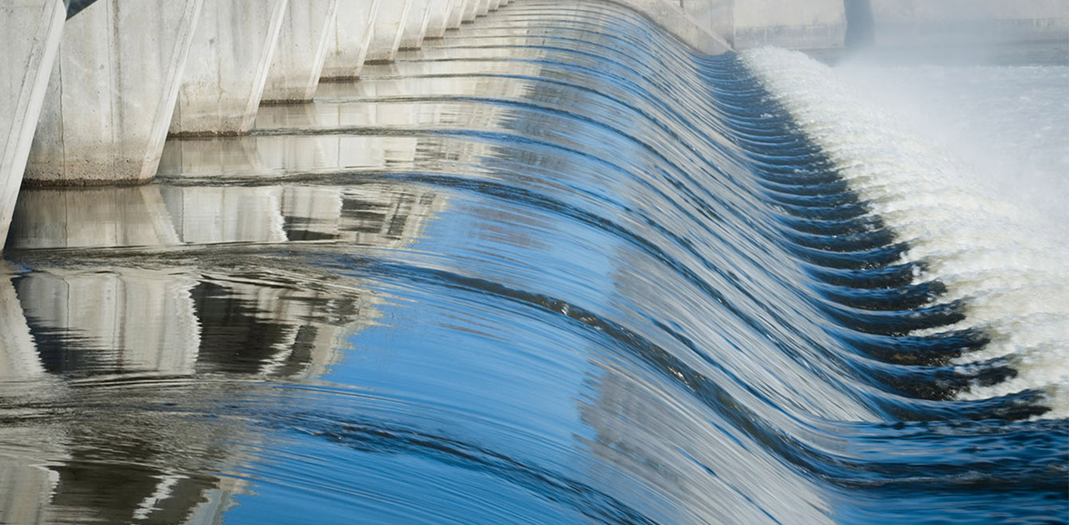
If you are interested in environmental issues and want to participate in creating a more sustainable future, hydraulic engineering is the ideal program for you. You will learn to design and manage water resources in a way that balances economic interests with nature conservation. If you are socially responsible and want to contribute to improving people's quality of life, this program will provide you with that opportunity.
Watch video
Program
The education is for a "Master's" educational qualification degree with a duration of 5 years for full-time and 6 years for part-time forms of study.
From the third year, you can choose between two specializations:
- Hydraulic Structures Construction: You will focus on the design, construction, and operation of small and large dams, hydroelectric power plants, ports, and other facilities that provide energy, water supply, irrigation, and flood protection.
- Irrigation and Drainage Engineering: You will deal with the design and construction of systems for irrigation, drainage, and river corrections that improve the quality of agricultural land and protect settlements from flooding.
If you have specific questions regarding admission requirements, please contact us
+359 884 06 81 33
+359 2 866 19 67
Office: Building B, 2nd floor, P212
Office hours: 10:00 AM - 12:00 PM
umo_adm@uacg.bg